
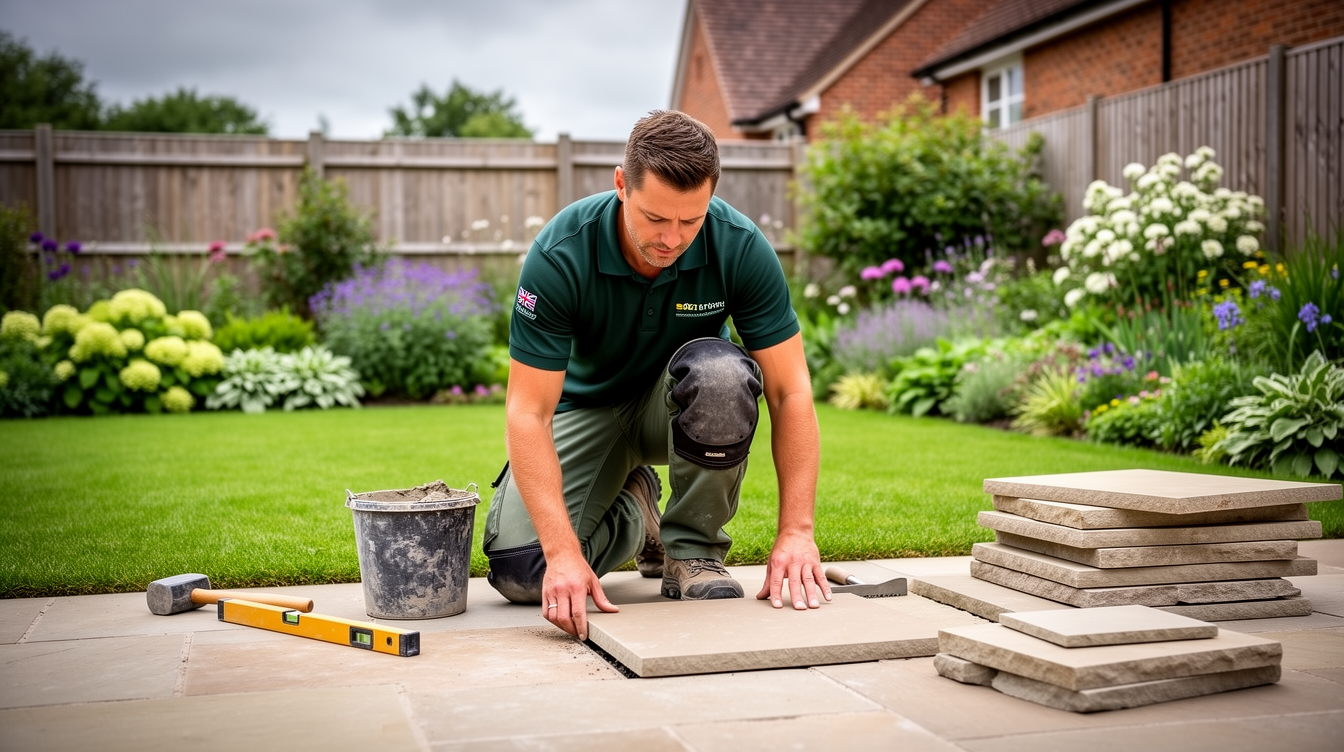
Builders and landscapers are often treated as the same kind of website. They are not. The foundations are identical, but the homeowner is buying something different, and the site should lead with what that homeowner needs to see first.
Here is what the two trades share, and where their websites should deliberately diverge.
Both trades need the same foundation: fast, mobile-first, owned
Before anything diverges, both a builder's and a landscaper's website need the same foundation. Both have to load in under two seconds on a phone, both have to be mobile-first because that is where homeowners browse, and both have to be owned outright by the tradesman, not rented from an agency. Get the foundation wrong and no amount of trade-specific tuning saves the site.
A builder's website should lead with trust and accreditation
A homeowner hiring a builder is trusting them with structural work and a large budget, so a builder's website should lead with trust: named accreditations like FMB or TrustMark, public liability cover, genuine reviews, and a portfolio of completed builds with locations. The homeowner's first question is "can I trust this person with my house", and the site should answer it above the fold.
A landscaper's website should lead with the visual portfolio
A homeowner hiring a landscaper is buying a look, so a landscaper's website should lead with the visual portfolio. Large, high-quality photos of finished gardens, patios, decking, planting and lawns should be the first thing on the page. The homeowner is asking "can they make my garden look like that", and a gallery answers it faster than any paragraph. Trust signals still matter, but they come second to the imagery.
Builders need clear project scoping; landscapers need seasonal calls to action
The two trades convert differently. A builder's website should help the homeowner scope a project: how you quote, what an extension or renovation typically involves, that estimates are free and itemised. A landscaper's website should work with the seasons: a spring call to action for garden makeovers, an autumn one for planting and clearance. Builders reduce uncertainty; landscapers create timely momentum.
Both win or lose on local search
Whatever each leads with, both trades are found the same way: local search. "Builder in St Albans", "garden design Watford", "landscaper near Radlett". Both websites need pages that name the services and the towns explicitly, and both benefit from a complete Google Business Profile. The priority order differs, but the route the homeowner takes to find either trade is the same.
Builder or landscaper, built right for your trade
I build fast, mobile-first websites for Hertfordshire builders and landscapers, each one prioritised for what that trade's customers need to see first. From £750, and you own everything. I'm based in Watford.
The bottom line: builders and landscapers need the same foundation, fast, mobile-first and owned, but they should prioritise differently. A builder's website leads with trust and accreditation because the homeowner is buying confidence; a landscaper's website leads with the visual portfolio because the homeowner is buying a look. Both are found through local search, so build the foundation once, then lead with what your trade's customer needs first.